
Opening Keynote - Partnerships in Action: WashU Libraries & DI2 Navigating AI-Enhanced Services
The partnership between Washington University in St. Louis (WashU) Libraries and the Digital Intelligence & Innovation (DI2) Accelerator reflects the university's deep commitment to collaborative digital transformation in higher education. From the very beginning, both organizations recognized the power of joining forces—uniting the Libraries’ role as the campus gateway to knowledge with DI2's expertise in digital innovation.
Through their joint initiative, the AI Curriculum Corps, they are cultivating a campus-wide community of practice around artificial intelligence. By bringing together librarians, technologists, and educators, they are developing practical strategies for integrating AI into library services and academic programs. The work centers on meaningful collaboration, experiential learning, and sharing lessons learned as we navigate the evolving role of AI in supporting discovery, education, and innovation at WashU.
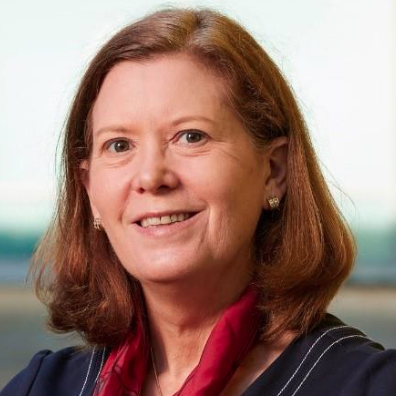
Mimi Calter is Vice Provost and University Librarian for Washington University in St. Louis, where she oversees the Washington University Libraries expert staff of 140 librarians, curators, archivists, and technologists; supports the development of programming and collections in support of research, teaching, and learning; drives strategic priorities, and advocates for library programs both locally and globally. Mimi is active in international library programs, serving as Chair of the Academic & Research Libraries standing committee for the International Federation of Library Associations, and as Chair Elect of the Greater Western Library Alliance. She is also an avid birder, and when not in the library will often be seen looking skyward.
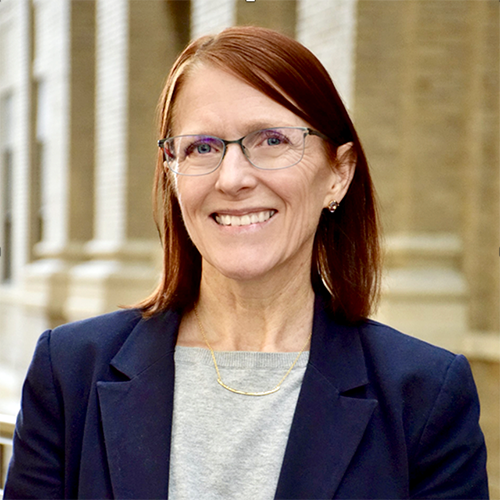
Kelly Walker-Moseley is Director of DI2 Strategic Partnerships within the Digital Intelligence and Innovation Accelerator at Washington University in St. Louis. Kelly leads the university’s digital business strategy for implementing the Here & Next strategic plan, collaborating with faculty, staff, and campus partners to advance digital transformation. Kelly’s experience spans program management, mergers and acquisitions, and operational leadership, including previous roles directing product development and business intelligence at a Fortune 50 company. Kelly is a certified Six Sigma Black Belt. Outside of work, Kelly enjoys running in nature.
Rapid Response to AI: Everything Counts
Swift changes brought about by AI mean that libraries must rapidly forge a new path to remain an important part of campus conversations. Join our panel discussion to learn how an instructional program is taking a kitchen sink approach to AI – trying it all and seeing what works. From live and asynchronous instruction to faculty partnerships and direct marketing, Southern Methodist University (SMU) Libraries is steering the discussion on AI literacy with a goal to foster better comprehension, thoughtful applications, and critical reflection. Learn about SMU Library's multimodal, multiprong initiatives that center the AI conversation on campus in the libraries.
Participants will identify:
- Instructional strategies for shaping AI literacy on campus
- Marketing approaches for highlighting the library’s AI innovation
- Ways of partnering with faculty
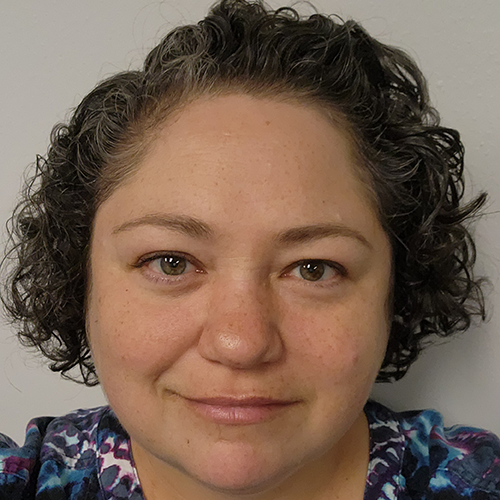
Rebecca Eve Graff, Coordinator of Southern Methodist University (SMU) Libraries Reference & Instruction Intern Program, Humanities Research Librarian, SMU Libraries
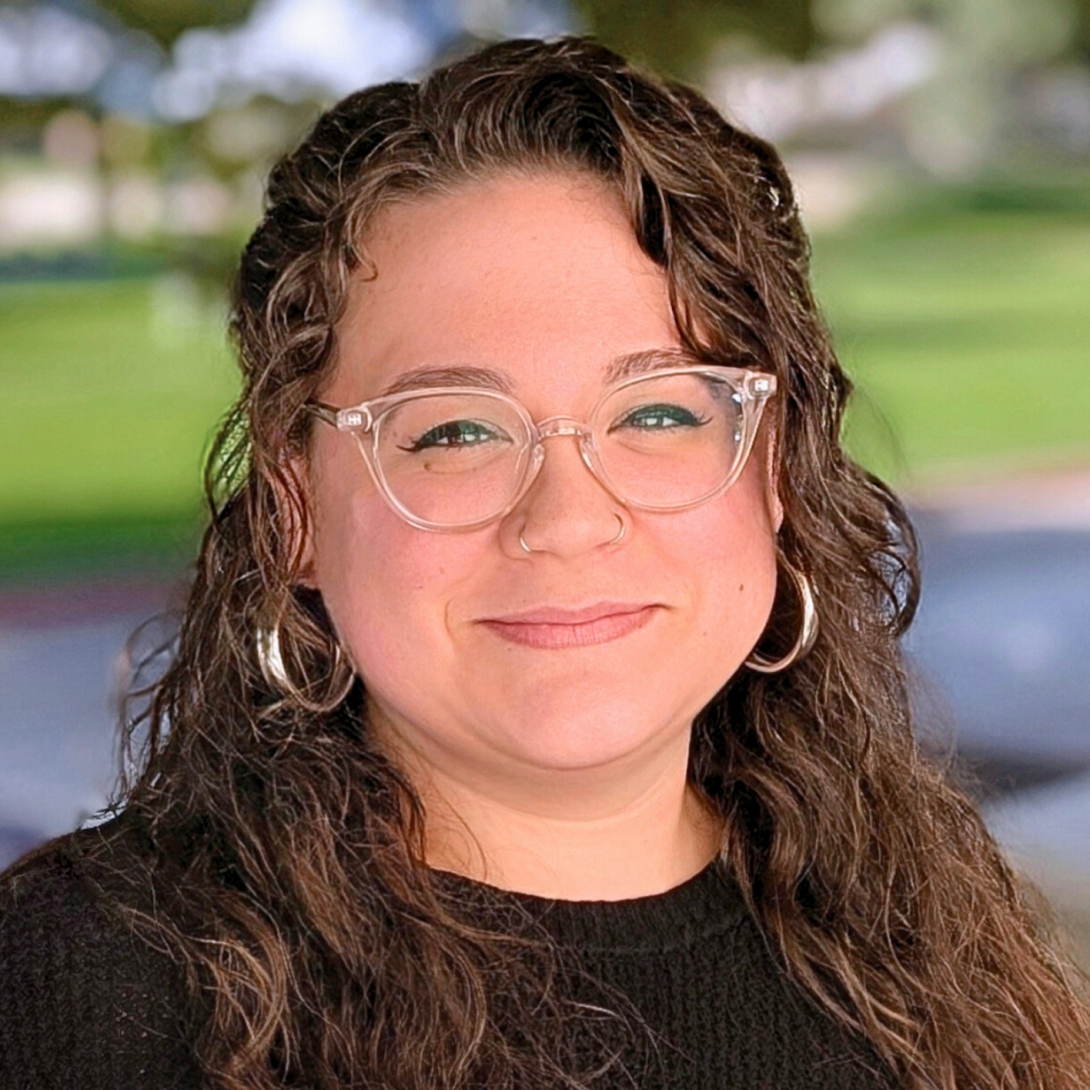
Social Sciences Research Librarian
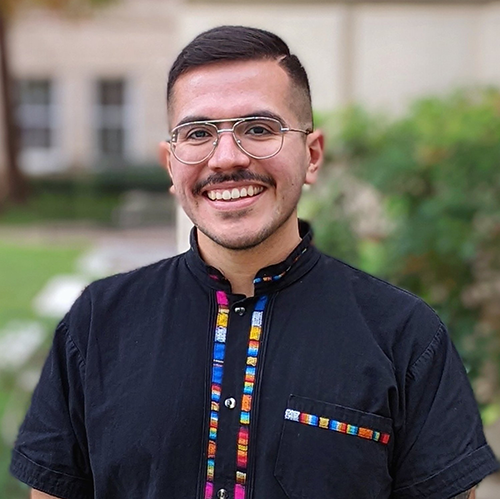
Social Sciences Research Librarian
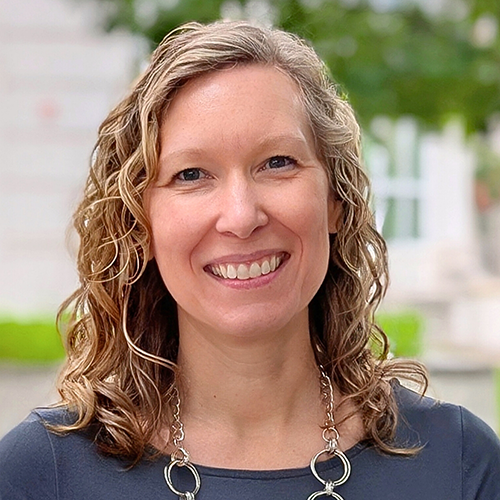
Director of Educational Initiatives, Social Sciences Research Librarian
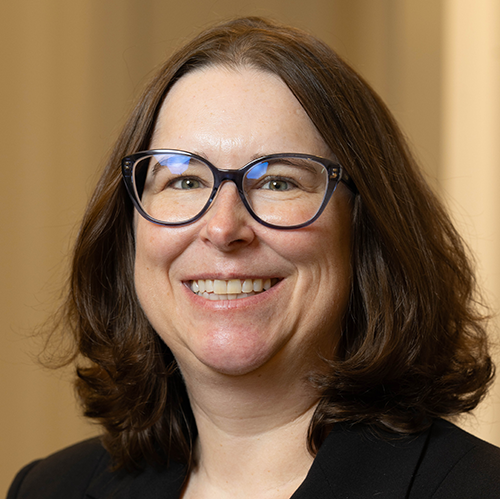
Instructional Design & Educational Technologies Librarian
More Than Pretty Pictures: Text and Data Extraction to Maximize Usefulness of Digitized Materials
Digitized archival and historical documents represent massive potential for research, exposing rare or hidden information to the public online. These documents also often represent a challenge: digitizing them is often relatively fast, but transcribing, describing, or turning written information into computable data takes human workers many more minutes or hours per image. For many of these documents, traditional optical character recognition software is either ineffective or also takes many additional hours of post-processing. In this session, we will describe how we are working with generative AI models and related tools to analyze and extract useful descriptions, transcriptions, data tables, and other information from challenging digitized documents such as medieval manuscripts, research notebooks, archival records, magazines, and more.
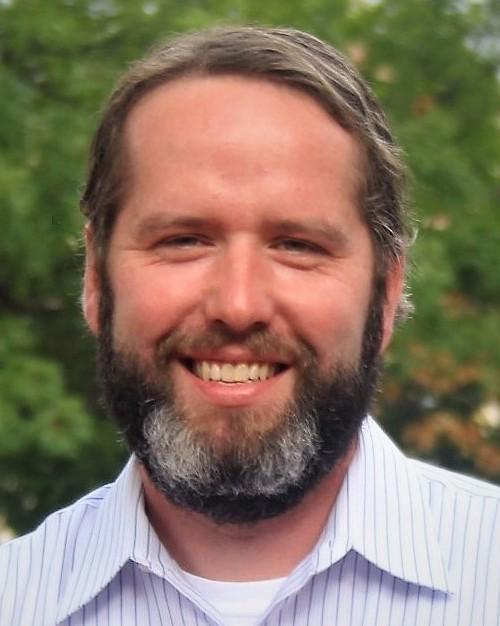
Steven Pryor is the Director of Digital Initiatives for the University of Missouri -Columbia (Mizzou) Libraries, supervising digitization work, digital publishing, institutional repositories, and other digital projects.
Lunch Break
Fixed-Prompt Metadata Workflows: Practical Paths to the AI-Enhanced Library
This session presents a practical approach to applying AI tools to metadata creation. Drawing on experiments with Alma AI Metadata Assistant, ChatGPT custom GPTs, Gemini Gems, and a local RAG-based system, the presenter will demonstrate how a structured fixed prompt can generate Connexion-ready MARC records across AI platforms. The session compares platform strengths and limitations and shows how fixed prompts improve consistency, support catalogers during metadata creation, and reduce time on repetitive tasks. Examples include real workflows where AI-generated metadata can be directly pasted into OCLC Connexion, along with the benefits of mobile image uploads for quick record creation. The session also highlights lessons from pilot testing and explores how structured prompting can extend beyond cataloging to streamline other repetitive library tasks, offering a practical path toward more efficient and consistent AI-supported workflows across library operations.
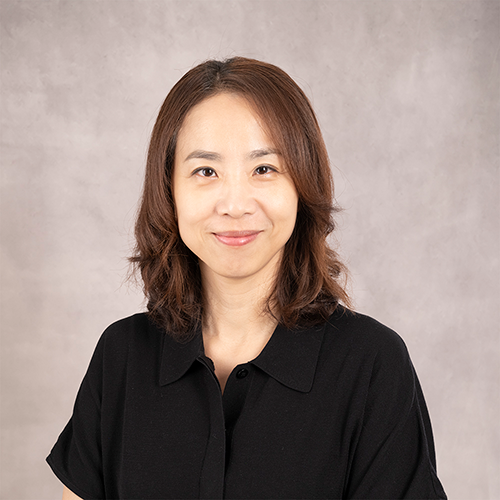
Synae Yoon is the Music & Art Cataloging Metadata Librarian at Southern Methodist University. Her work focuses on metadata creation and explores the use of AI and automation to enhance cataloging workflows.
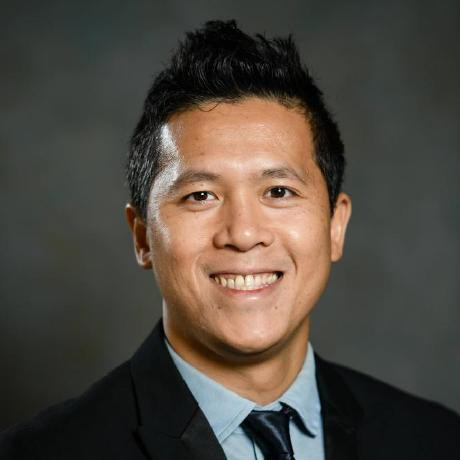
AI&ML Research Scientist
Gene-AI-ology: Harnessing the Power of Artificial Intelligence in Family History Research
Discover how artificial intelligence can become a helpful partner in your family history journey. This program will explore practical ways AI can assist genealogists. Everything from transcribing old handwritten documents and answering paleography questions to writing simple ancestral biographies. Learn how AI tools can suggest strategies for breaking through research "brick walls," summarize or present your findings in new ways, and even provide historical context to bring your ancestors' stories to life. This session will also look at how AI can help restore and enhance old family photographs. Whether you’re new to technology or a seasoned researcher, you’ll leave with fresh ideas for integrating AI into your genealogical toolbox.
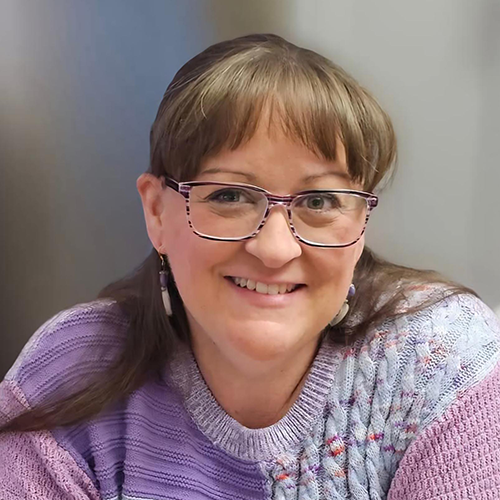
Rachael Scott is the manager of the Genealogy and Local History Department at the Lawrenceburg Public Library District. She holds a degree in Family History Research from Brigham Young University–Idaho and has been passionate about genealogy since childhood. In her role at the library, Rachael combines her lifelong love of family history with her professional expertise to help patrons explore their roots, preserve their stories, and connect with their past. She is especially enthusiastic about sharing new tools and resources—like artificial intelligence—that make genealogy more accessible and engaging for researchers of all experience levels.
Closing Keynote - The Human Element: Maintaining Judgment and Accountability When AI is Used
There are many innovative ways to integrate artificial intelligence (AI) into library work. This presentation will begin by sharing practical examples of how AI can enhance everyday library workflows. Building on these examples, the presenter will demonstrate strategies for maintaining human values, judgment, and oversight alongside AI use. As AI becomes a frequent collaborator in professional and creative tasks, librarians face the challenge of ensuring that technology supports—rather than replaces—human expertise and accountability. This session offers concrete methods for keeping human direction at the center of AI integration. Participants will leave with adaptable strategies to promote transparency, ethical decision-making, and continued human leadership in an AI-supported library environment.
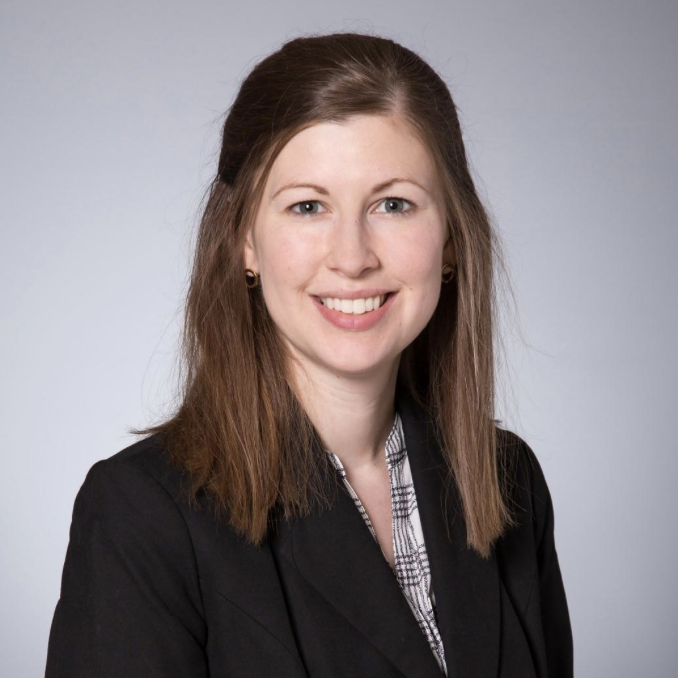
Lauren Hays, PhD, MLS, is an associate professor of instructional technology at the University of Central Missouri. She previously worked as an instruction librarian. Her research interests include digital literacy, information literacy, and the scholarship of teaching and learning.